Urban Fire Safety Insurance: A Comprehensive Guide to Protecting Your Property and Community

Urban fire safety insurance is one of the most critical financial safeguards for property owners, businesses, and communities in densely populated areas. As cities grow taller and more complex, the risk of catastrophic fire incidents increases—making comprehensive insurance coverage not just a legal requirement, but a vital component of responsible urban living.
Understanding Urban Fire Risks

Modern urban environments present unique fire challenges that differ significantly from rural or suburban settings. High-rise buildings, mixed-use developments, underground infrastructure, and aging electrical systems all contribute to elevated fire risks. Recent high-profile fire incidents have caused significant damage to both businesses and communities, highlighting the financial and social impacts of inadequate preparation.
Climate change further complicates urban fire safety. Rising temperatures, prolonged droughts, and extreme weather events can exacerbate fire conditions even in traditionally low-risk areas. Additionally, modern building materials and integrated technologies introduce new vulnerabilities that standard fire prevention measures may not adequately address.
Types of Fire Insurance Coverage
Building Structure Insurance (Fire Insurance)
Fire insurance, commonly known as “building insurance” or “building structure insurance,” primarily covers the physical structure of a property. This includes:

- Structural elements: Walls, ceilings, floors, roofs, doors, windows, and built-in fixtures
- Permanent installations: Electrical wiring, plumbing systems, and HVAC infrastructure
- Common areas: Lobbies, stairwells, elevators, and shared facilities in multi-unit buildings
Modern fire insurance policies have expanded beyond traditional fire coverage to include damage from lightning, explosions, flooding, typhoons, and other natural disasters. For property owners with mortgages, banks typically require fire insurance as a condition of loan approval to protect their collateral asset.
Contents and Home Insurance
While fire insurance protects the building itself, home insurance (or contents insurance) covers personal belongings inside the property. This includes furniture, electronics, clothing, appliances, and other movable items. For comprehensive protection, property owners should maintain both types of coverage—fire insurance for the structure and home insurance for contents and personal liability.
Commercial Fire Insurance
Businesses require specialized commercial fire insurance that extends beyond standard property coverage. This typically includes:
- Business interruption coverage: Compensates for lost income during recovery periods
- Equipment breakdown: Covers specialized machinery and technology
- Inventory protection: Safeguards stock and raw materials
- Liability coverage: Protects against claims from third parties affected by the fire
Legal Requirements and Compliance
Building Safety Regulations
Urban fire safety is heavily regulated to protect occupants and minimize community risk. The Fire Safety (Buildings) Ordinance (Cap. 572) mandates specific fire safety improvements for certain composite and domestic buildings, particularly those constructed before 1987. These requirements include:
- Automatic sprinkler systems
- Fire hydrant and hose reel systems
- Manual fire alarm systems
- Emergency lighting
- Automatic cut-off devices for mechanical ventilation systems
- Proper means of escape and fire-resistant construction
- Access routes for firefighting and rescue operations
Insurance Compliance Obligations
Insurance policies often include specific compliance requirements. Policyholders must adhere to all provisions, requirements, and regulations set by fire services departments and local authorities. Failure to maintain required fire safety measures can result in claim denials or policy cancellations.
Risk Assessment and Prevention Strategies
Conducting Fire Risk Assessments
A thorough fire risk assessment forms the foundation of any effective fire safety strategy. According to fire safety professionals, organizations should conduct annual fire risk assessments and update them whenever significant changes occur—such as building modifications, occupancy changes, or new equipment installations.
Key components of a fire risk assessment include:
- Identifying fire hazards: Sources of ignition, fuel, and oxygen
- Evaluating risks to people: Occupants, visitors, and vulnerable individuals
- Implementing control measures: Detection systems, suppression equipment, and evacuation procedures
- Recording findings: Maintaining detailed documentation for compliance and insurance purposes
- Regular review: Updating assessments based on changes and incident learnings
Fire Detection and Alarm Systems
Early detection saves lives by providing maximum escape time. Modern fire detection systems are classified according to BS 5839-1 standards, with categories ranging from L1 (complete automatic detection throughout the building) to L5 (localized detection for specific risks). Proper placement of smoke detectors on escape routes and in high-risk areas is essential for effective coverage.
Emergency Planning and Staff Training
Effective emergency procedures must document escape routes, final exits, assembly points, and arrangements for visitors and individuals requiring assistance. Regular fire drills test evacuation plans, familiarize staff with procedures, and reveal potential weaknesses such as blocked exits or unclear signage. Research indicates that organizations conducting regular drills can reduce evacuation times by up to 40%.
Choosing the Right Insurance Coverage
Calculating Adequate Coverage
Determining the appropriate sum insured requires careful consideration of several factors:
- Rebuilding costs: Current construction costs for complete reconstruction, not market value
- Contents value: Replacement cost of all personal or business belongings
- Business interruption: Projected lost income during recovery periods
- Liability exposure: Potential claims from injured parties or damaged neighboring properties
- Inflation adjustments: Annual increases in construction and replacement costs
Policy Exclusions and Limitations
Understanding what fire insurance does not cover is equally important. Common exclusions include:
- Damage caused by intentional acts or negligence
- Unoccupied properties beyond specified periods
- Certain high-risk activities without additional coverage
- Gradual deterioration or maintenance issues
- Acts of war or terrorism (unless specifically included)
Working with Insurance Professionals
Given the complexity of urban fire risks and insurance products, consulting with licensed insurance professionals is highly recommended. These experts can:
- Assess specific property risks and recommend appropriate coverage levels
- Identify potential coverage gaps in existing policies
- Negotiate competitive premiums based on implemented safety measures
- Ensure compliance with all legal and lender requirements
- Assist with claims processes when incidents occur
The Future of Urban Fire Safety Insurance
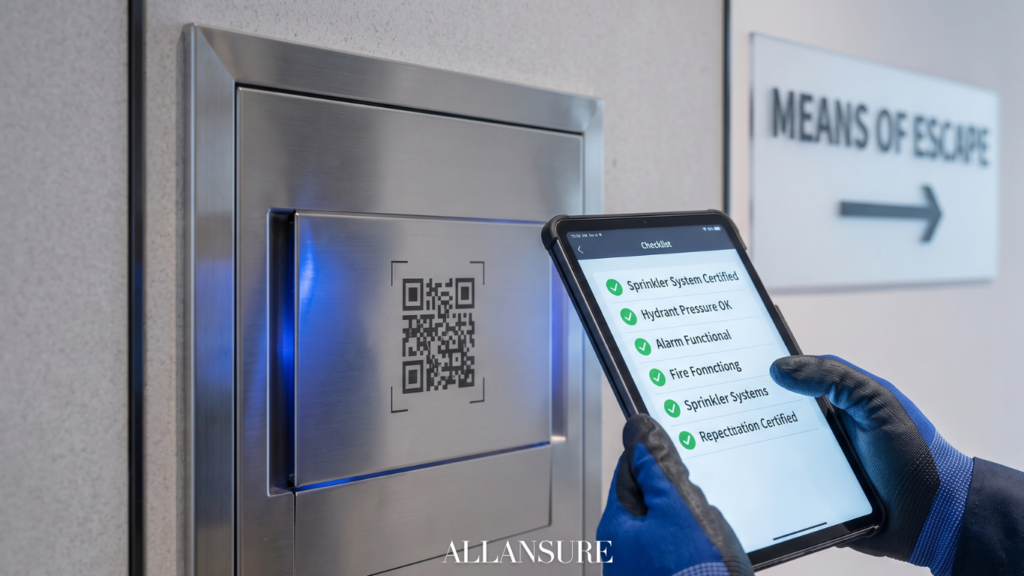
The fire safety landscape continues to evolve rapidly. Digital compliance requirements, including mandated electronic record-keeping for fire risk assessments, are becoming standard. Third-party certification for system installers and maintainers is increasingly expected by authorities and insurers alike.
Emerging technologies such as smart building systems, IoT-enabled fire detection, and AI-powered risk analytics are transforming how properties are protected and insured. Forward-thinking property owners who invest in these technologies may benefit from reduced premiums and enhanced safety outcomes.
Conclusion
Urban fire safety insurance is an indispensable component of responsible property ownership and community protection. By understanding the various types of coverage available, maintaining compliance with legal requirements, implementing robust prevention strategies, and working with qualified insurance professionals, property owners can protect their investments while contributing to safer urban environments.
The cost of comprehensive fire insurance is minimal compared to the potential financial devastation of an uninsured fire incident. In an era of increasing urban density and evolving fire risks, proactive insurance planning is not just prudent—it’s essential.
Disclaimer: This article is for informational purposes only and does not constitute professional insurance or legal advice. Consult with licensed insurance professionals and local authorities for guidance specific to your property and jurisdiction.